Agile consulting
Agile consulting is a cost-effective way to get focused help from agile expert at key points when you’re using agile.
agileKRC has delivered agile consulting to organisations since before the Agile Manifesto!
Led by agile thought leader Keith Richards, agileKRC only hires agile consultants with in-depth, practical agile expertise to help your organisation become more agile.
All our expert agile consultants have the credibility and assurance that comes from working with agile over many years at different organisations.
Our consultants will share that real world experience with you to get you working smarter and better.
 agileKRC is an accredited partner of the Agile Business Consortium, a not-for-profit professional body for business agility.

Consulting style
agileKRC do not believe in off-the-peg consultancy. We believe that any agile consultancy package must be tailor-made to suit your needs.
Therefore, we recommend running highly collaborative workshops to build a clear understanding of your needs and to generate a feeling of partnership and ownership that survives the test of time.
Our style is friendly and professional, but importantly we tell it like it is. We like to use realists and not theorists as our consultants. There really is no substitute for learning in the heat of the battle!
It is this experience combined with powerful communication skills that make our consultants stand out from the rest.
Did you know?
Every agile consulting assignment is custom-made to meet your needs
Highly collaborative workshops build a clear understanding of your needs
Unparalleled experience combined with supreme communication skills make our consultants stand out from the rest
All our agile consultants offer a friendly and professional style
Our consultants are realists not theorists - we tell it like it is, not how it should be.
Collaborative consulting
The best agile consulting companies start by understanding your needs and challenges before proposing solutions in collaboration with customers.
If working in an agile way was easy, then everyone would be doing it. Experience shows us that it takes expert direction to enable agile practices to become embedded in an organisation’s daily ways of working.
As a leading agile company in the UK we offer a blend of agile training, agile coaching and agile consulting to ensure that new knowledge sticks and becomes second nature.
Types of consulting
Our agile consultancy services are tailored to each client’s needs. Clients approach us at various stages in their agile journey. What we offer to you depends upon where you are in your agile journey, and which services are most cost-effective for you.
Here are just three examples.
Your agile journey
Working with many organisations helps us to see what gets agile to work and what doesn’t. At agileKRC our agile consultancy services come with a tried and tested formula for taking you on your agile journey.
You could be looking to improve quality, reduce costs, increase throughput – whatever your goal, we can help you achieve it.

Assessment
We assess how you’re currently working and what you want to achieve. We then collaboratively propose agile solutions which are appropriate for your needs.

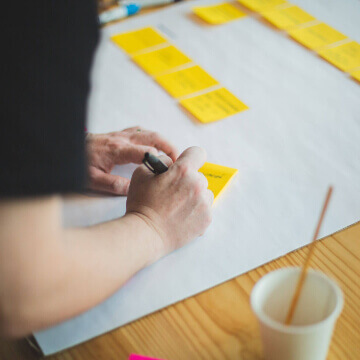
Our agile consultants
Choosing which agile consultant to work with is an important decision when working with an agile consulting company. To get the maximum benefit from your agile consulting service it is essential you pick a consultant with experience, credibility, and with a proven ability to impart their knowledge and wisdom in a useful, accessible way.
Because we understand how essential this is, we spend a great deal of time checking out and referencing all our agile consultants.
We like to use the realists and not the theorists. There really is no substitute for learning in the heat of the battle! It is this experience combined with powerful communication skills that make our consultants stand out from the rest.